
Recognizing the early signals
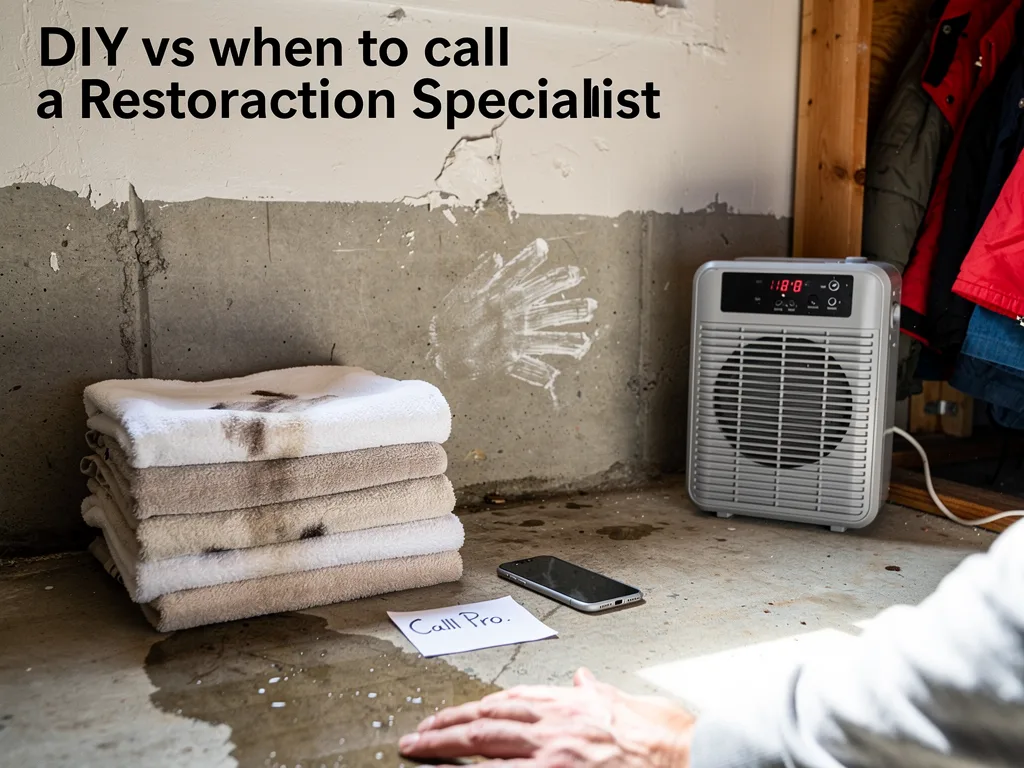
Water intrusion doesn’t always arrive with a flood. In homes across Idaho, you might notice a musty odor, damp walls, or a shy stain that wasn’t there last month. Our crews in every Idaho metro frequently see small leaks at gutters, around windows, or behind appliances that slowly soak into framing and finishes. When those signs crop up, a restoration specialist can determine where moisture is hiding and what parts of the structure are affected.
Color changes in drywall, peeling paint, or warped baseboards are more than cosmetic problems. They often point to ongoing moisture that invites mold growth and wood rot if left untreated. In Idaho, seasonal shifts can push humidity into attic spaces and basements, revealing damp patches that aren’t obvious at first glance.
Keep an eye on unusual sounds or musty smells that persist after a dry day. If you notice standing water after rain, or if a previous incident reappears after a heat wave, those are red flags a restoration specialist will address to protect the home long term.
What to do when you notice a sign
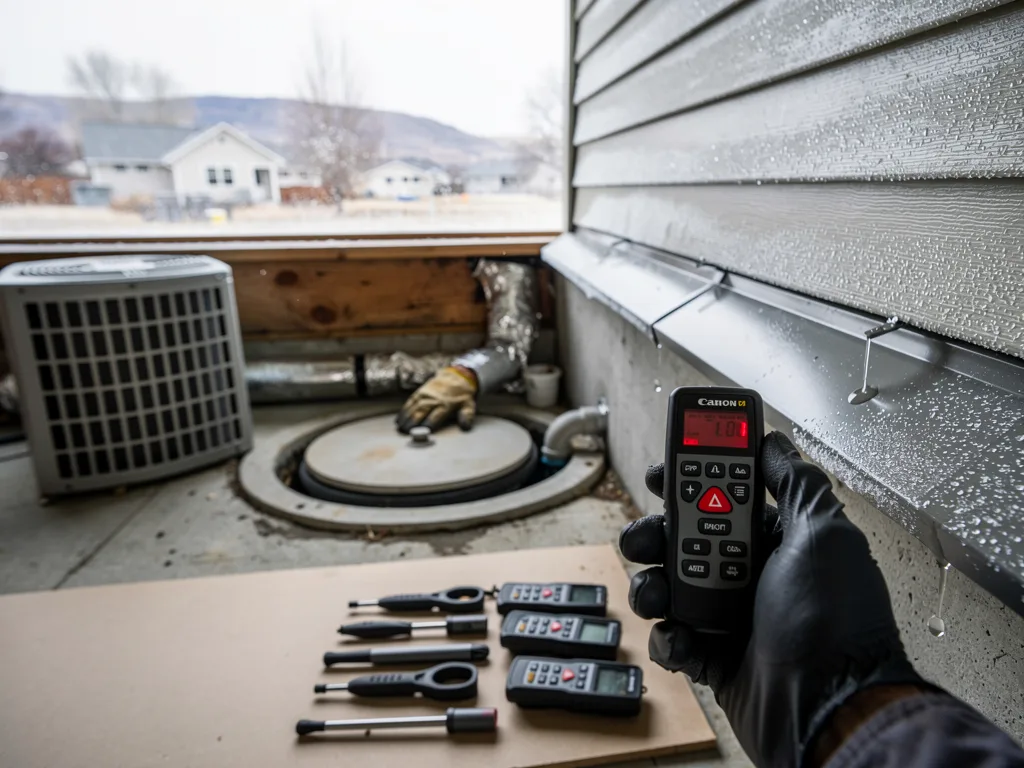
Document the issue with photos and keep notes on when you first observed it. If the source isn’t obvious, avoid heavy guessing and contact a restoration specialist. Our team in Idaho can assess moisture levels with professional equipment and identify hidden reservoirs of water behind walls or under flooring. Scheduling a prompt evaluation helps limit any secondary damage and reduces the chance of costly repairs later.
Early engagement is a practical choice for homeowners statewide. We can outline a clear plan for containment, drying, and restoration that fits your home’s layout and your budget. There are no promises of outcomes here, only a path forward guided by measured steps taken by restoration specialists who know Idaho homes well.
Why statewide expertise matters
Across Idaho, homes share common design challenges that affect how moisture behaves. Our crews in every Idaho metro understand local framing styles, climate-related moisture patterns, and typical containment routes. That statewide perspective helps us tailor responses, from attic spaces in eastern Idaho to basements in the panhandle, without assuming a one size fits all approach.