What homeowners can safely do themselves
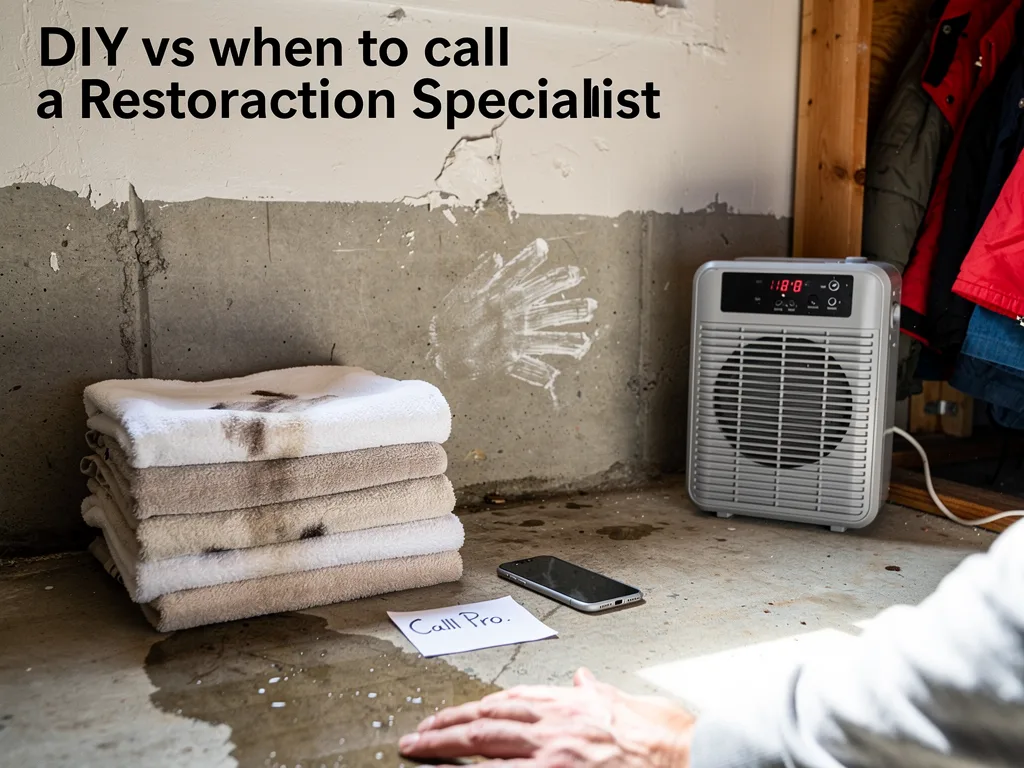
Minor spills or quick cleanups are often manageable by homeowners. If you catch a small leak early, you can shut off the water source, blot excess moisture with towels, and ventilate the space to reduce humidity. In Idaho, quick action can slow damage while you arrange professional help, especially before a weekend storm or after a fast spring thaw.
Document the scene with photos and keep a record of any changes you observe. If you’ve never worked with moisture in building materials, it’s wise to pause before attempting big dry-out steps or demolition. Simple actions, when done with care, can complement a restoration specialist’s plan rather than replace it.
When it’s time to call a restoration specialist
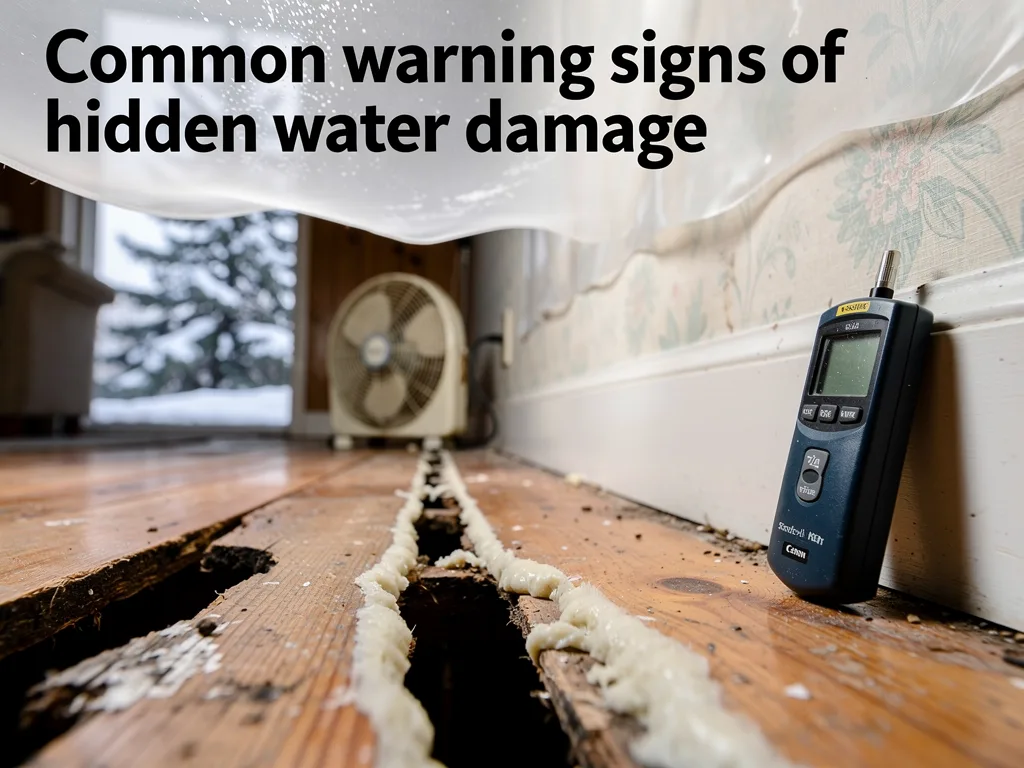
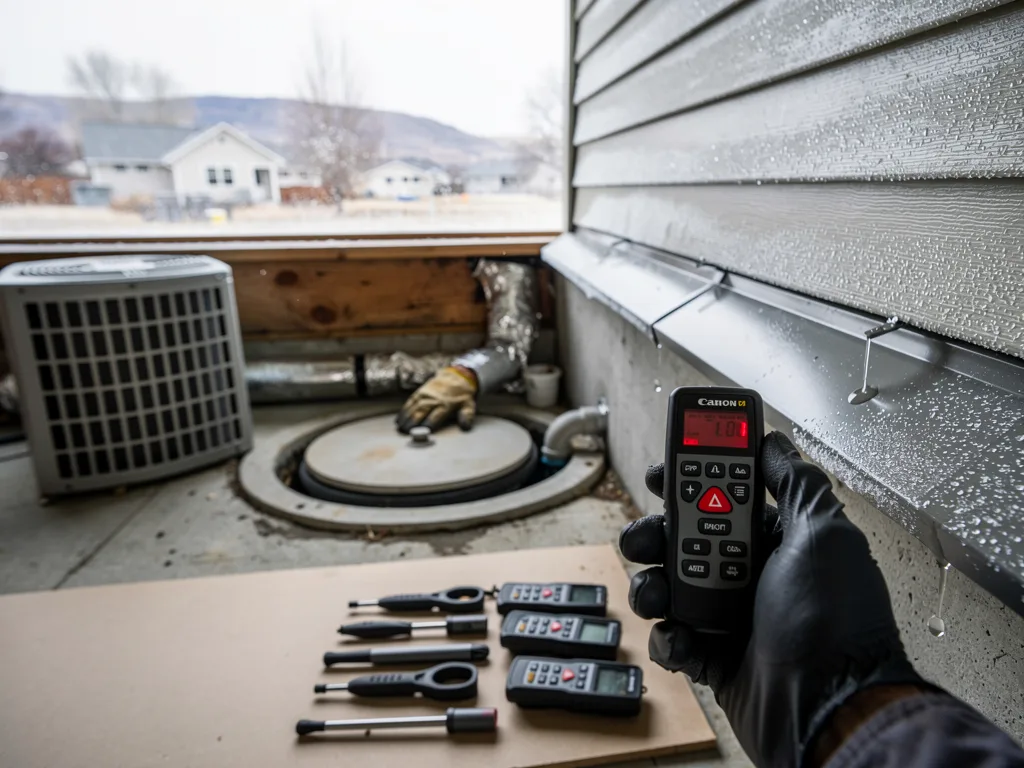
If moisture lingers after 24 hours, if there are visible stains, warping, or a persistent odor, a professional assessment is prudent. In Idaho, hidden moisture behind walls or under flooring can hide mold risk or structural compromise. A restoration specialist uses specialized equipment to measure moisture and to map affected areas accurately, something not practical with household tools alone.
Seek professional guidance especially after severe weather, a plumbing fault, or any event that causes bulk water intrusion. Our team across Idaho provides a careful, state-wide approach that respects your home’s layout and avoids unnecessary damage during the evaluation and drying process.
What you should expect from a professional plan
Working with restoration specialists means a documented plan with staged steps: containment, drying, mold assessment if needed, repairs, and finally return to normal occupancy. The goal is to restore your home safely while preserving as much of the original material as possible. In Idaho, our statewide crews coordinate to ensure consistent standards from the panhandle to southern Idaho.